There’s really no such thing as “Louisiana cooking,” Zachary Fournet, owner of Yankton’s Café Louisiana, says. There’s Creole—born in the city, from the streets of New Orleans. And there’s Cajun—contrived from the southwest Louisiana countryside, where he and his wife, Leah Nelams, grew up. The cooking styles, developed in the 19th century, vary in ingredients, and when Fournet and Nelams order gumbo in restaurants anywhere north of the South, what they say they usually taste is “a diluted hybrid of the two.”
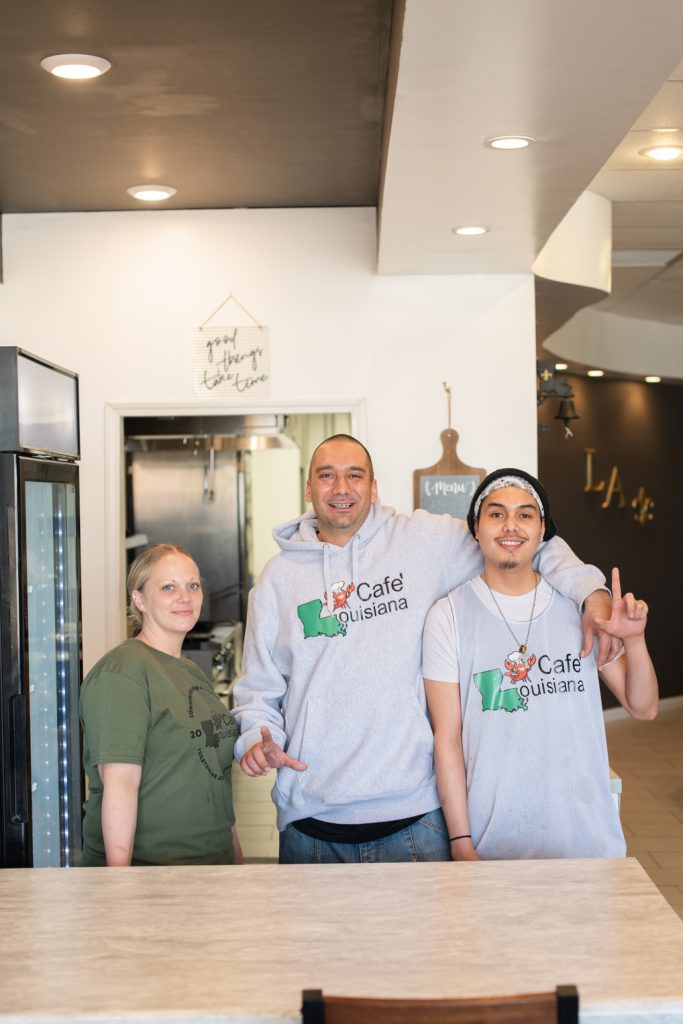
It was 2001 when Fournet, then 18 years old, first wrote down ‘Café Louisiana’ on a piece of paper. He wanted to bring authentic Cajun cuisine to a place where it didn’t exist. In 2010, he and Nelams decided to make it happen. They just didn’t know when, or where. So they closed their eyes and threw a dart at a map. It landed on Yankton, South Dakota, where they moved three years later. But that was just the beginning of the journey.
“When we made it out here, we worked at the [Sapa Extrusions] factory (now Hydro),” said Fournet. “We grinded and saved all the money we could. We didn’t even have a couch in the house, or a TV. We didn’t go out or do anything. We were focused on what we wanted to do.”
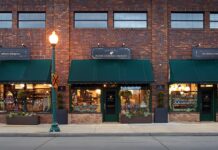
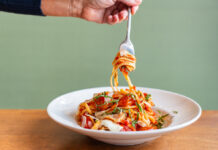
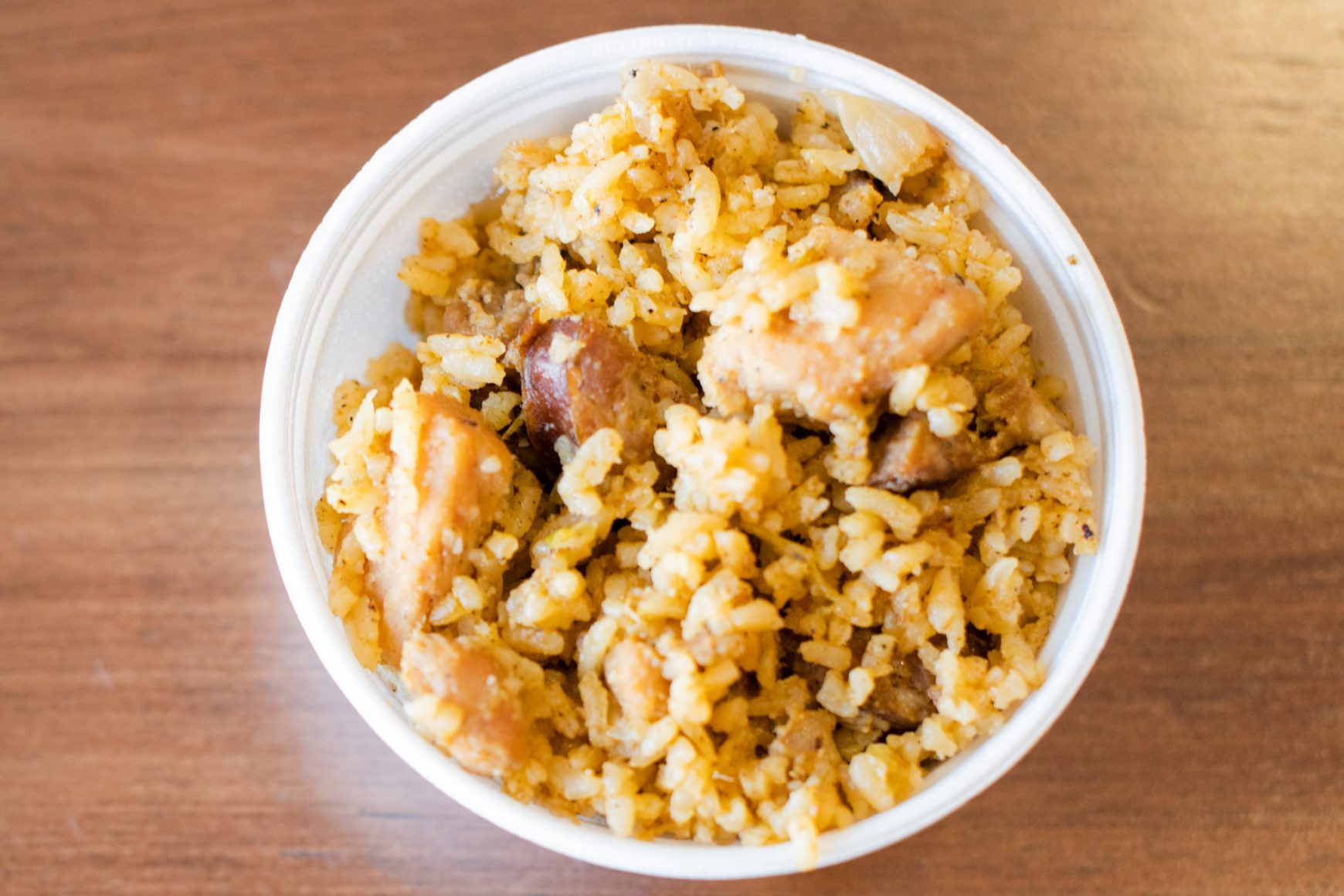
After five years of frugality, Fournet and Nelams opened Café Louisiana on Broadway Avenue on July 1, 2019. Po’ Boys. Hushpuppies. Alligator Burgers. Crawfish Pies. Real Jambalaya. From up the Mississippi and over to the Missouri, Cajun cuisine found its way to Yankton.
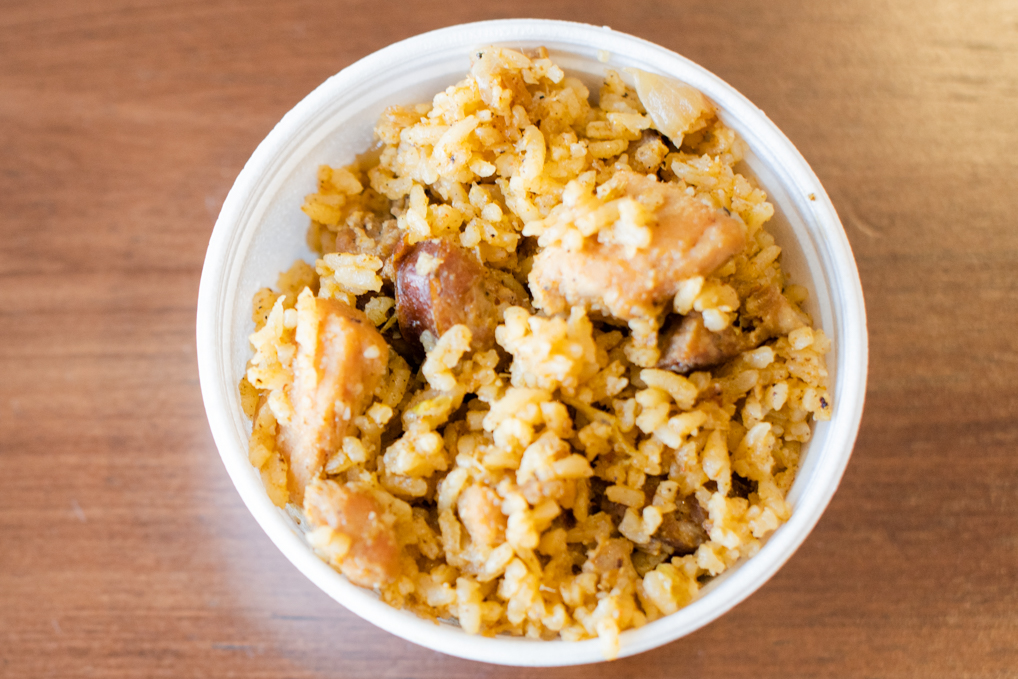
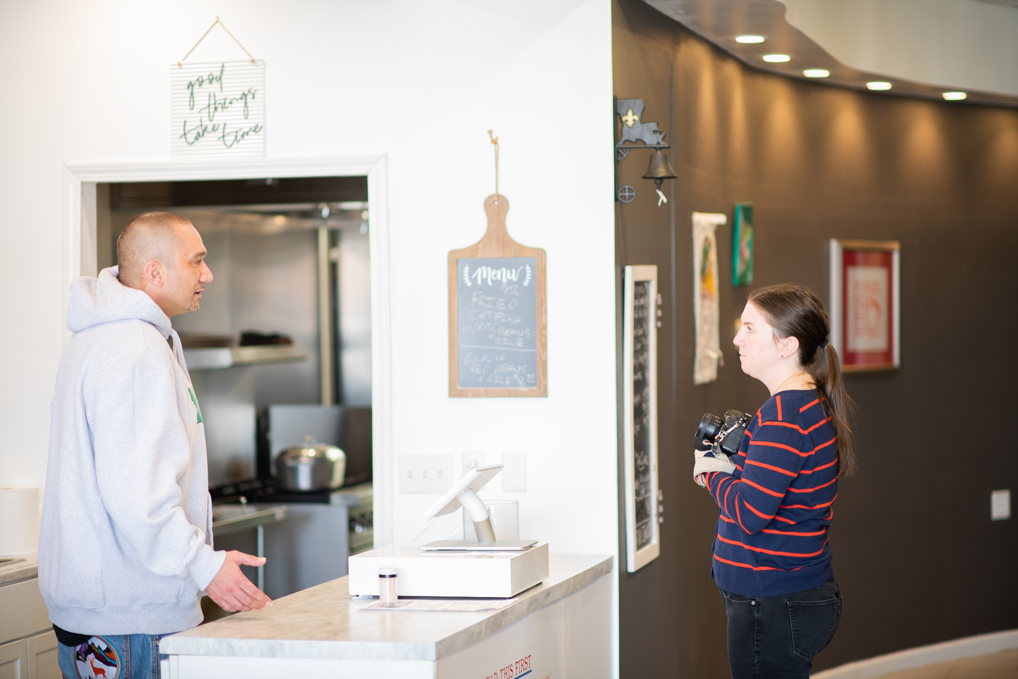
It’s a small joint—the only other employee is a family friend and skilled cook named Hunter Techemange, better known to Yankton as T-Cuz, Cajun for “little cousin.” The three have the luxury of running the only Cajun restaurant in the area, but with it comes the responsibility of delivering to a meat-and-potato-palated population.
“Any food we cook, we sample out,” said Nelams. “My husband’s a good talker. People will come in and say, ‘Oh, what’s Shrimp Étoufée?’ He explains
Cravin’ Cajun?
In the late 1700s, the British forced Canadian- French settlers (known as Acadians) out of Canada and into America. Some followed the Mississippi River down to the French- dominant swamps of Louisiana, where they were welcomed with open arms. Thus was the birth of the “Cajuns.”
Cajun cuisine, despite its reputation for fiery and heavily-spiced plates, really just incorporates smoked meats like chicken, pork, and sausage into pot-based dishes, like jambalaya or gumbo. While Creole cooking uses tomato-based sauces and butter-based roux, Cajun cooking uses roux made of lard or oil and bypasses tomato sauces altogether. Simply put: if Creole is a soup, Cajun is a stew.
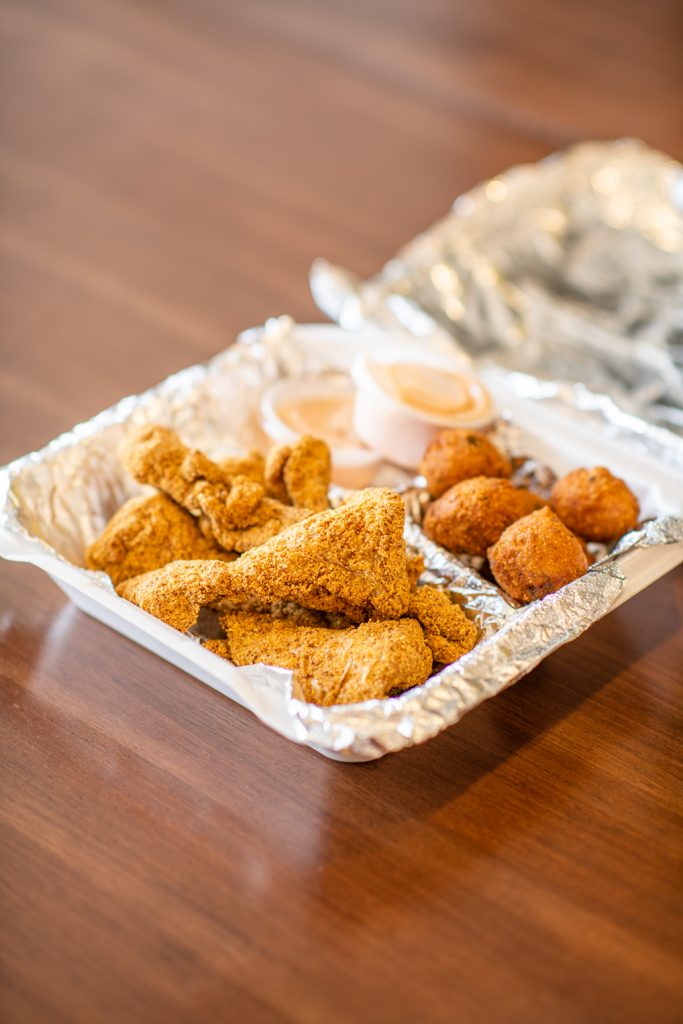

While customers can taste everyday menu items like Catfish and Butterfly Shrimp and Boudin Links from the white chalkboard, Nelams and T-Cuz cook two or three late lunch specials every evening. Nelam’s favorite is a Meatball Fricassée, a dark, rich traditional stew home-stirred for two hours before being served. For a sweet finish, Benyays (beignet = French donut) were brought back by popular demand after a four-month hiatus from the menu.
“When I quit selling ‘em, everyone wanted ‘em,” said Fournet with a laugh.

Our restaurant… it’s home-y. We call it our second home. We love having people in here, happy and having great food.” – Leah Nelams
Like many business owners across the nation, Fournet and Nelams feared the COVID-19 crisis would financially jeopardize the restaurant; it was said long before the global pandemic that 90 percent of restaurants fail within the first year. But to their delight, Yankton embraced Café Louisiana from the beginning, says Nelams.
“Before we opened, I was super scared. I was like, ‘Oh my god, are they gonna like this food?’” he recalled. “Yankton showed us love. They support us to this day, and it hasn’t even been a whole year. Because of the crisis, it’s slowed down a little bit, but Yankton showed us tremendous support. I can’t brag enough.”